

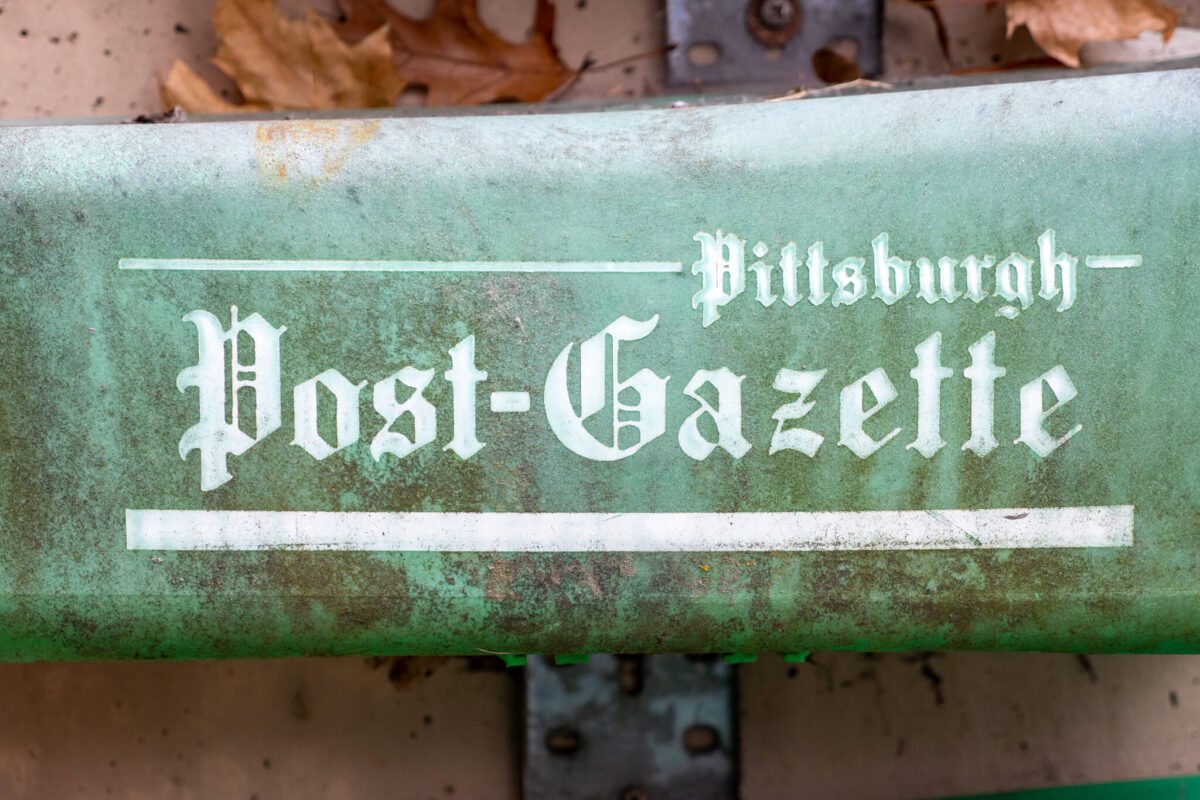
The Pittsburgh Post-Gazette will cease publication May 3. Owner Block Communications announced the decision Wednesday, ending a run that began in 1786 as one of America’s oldest continuously operating newspapers.
The Toledo, Ohio-based media company delivered the news through a pre-recorded video message during a mandatory Zoom meeting Wednesday afternoon. Company President Jodi Miehls told staff that cumulative losses exceeding $350 million over two decades had made continued operation financially unsustainable. About 180 workers at the newspaper will lose their jobs.
The announcement came hours after the U.S. Supreme Court declined to intervene in a lower court ruling involving the newspaper’s dispute with the Newspaper Guild of Pittsburgh. The newsroom union engaged in a strike that began in October 2022 and ended in late November 2025, though a large number of members did not participate and continued working throughout. Block Communications had previously threatened to close the paper if it lost the case.
The publication began as the Pittsburgh Gazette in 1786, marking the first newspaper west of the Allegheny Mountains at the time. The publication adopted its current name in 1927 following acquisition by Paul Block, whose family’s privately held Block Communications and has operated the paper since.
The Post-Gazette currently publishes print editions Thursdays and Sundays, maintaining an average paid circulation exceeding 83,000 subscribers according to the newspaper. Eagle Media in Butler has handled production duties since a strike by production workers, an arrangement that continued after the strike.
Block Communications shuttered another Pittsburgh publication, the Pittsburgh City Paper, on Dec. 31, ending that alternative weekly’s 34-year run. The Post-Gazette’s closure will not affect the company’s other major property, The Toledo Blade.
The newspaper’s demise reflects broader challenges confronting regional journalism, as digital disruption and shifting advertising revenue have decimated traditional business models. This loss will remove a primary source of accountability journalism and civic coverage from Pennsylvania’s second-largest metropolitan area.